No-Heat Furnace Repair in Layton, UT
A dead furnace in Layton in January is not a minor inconvenience. When an inversion parks cold air over the valley floor, nighttime temperatures sit in the teens or lower for days, and a house with no heat loses warmth steadily — first the comfort goes, then the worry about pipes in exterior walls starts. The good news: most no-heat failures come down to a short list of causes, and a methodical diagnosis finds them. Thermostat, power, ignition, gas, airflow, safety controls — the furnace stopped for a specific reason.
Before you call, run the quick checks in the strip at the top of the homepage: thermostat settings and batteries, the filter, the furnace switch, the breaker. A meaningful share of no-heat calls end right there. If those all check out, describe exactly what the system does when it calls for heat — total silence, a click and nothing, a blower pushing cold air, a startup that dies in minutes. Each behavior points your provider at a different link in the chain.
What you should not do is keep resetting the furnace. A system that locks out is protecting itself — from overheating, from a failed ignition, from a blocked vent or drain. Repeated resets can damage the very components the lockout is protecting. One or two checks are sensible; after that, it's a diagnosis job.
Signs your no-heat problem needs a pro
- Thermostat set to Heat, temperature turned up — and nothing happens at all
- The furnace clicks or hums but the burners never light
- The blower runs but pushes only cold air through the registers
- The furnace starts, heats briefly, then shuts off and stays off
- The furnace breaker trips again after you reset it
- A red error light flashes on the control board in a repeating pattern
How your provider restores heat
1. Your checks become the starting map
What you found — thermostat fine, filter clean, breaker holding — narrows the search before your provider even opens the cabinet. So does the behavior you describe: silence, clicking, cold air, or a short run all point different directions.
2. Systematic diagnosis
Your provider tests the chain in order: power at the unit, the thermostat signal, ignition, gas valve operation, flame sensing, blower function, and the safety limits. The failed link gets identified, not guessed at.
3. Repair of the failed component
Whether it's an igniter, a flame sensor, a pressure switch, a control board, or a blower motor, the failed part is repaired or replaced and the surrounding connections verified.
4. Full-cycle verification
The system runs through complete heating cycles — startup, sustained heat at the registers, normal shutdown — and safety controls are confirmed working before your provider calls it restored.
No-heat calls in Layton winters
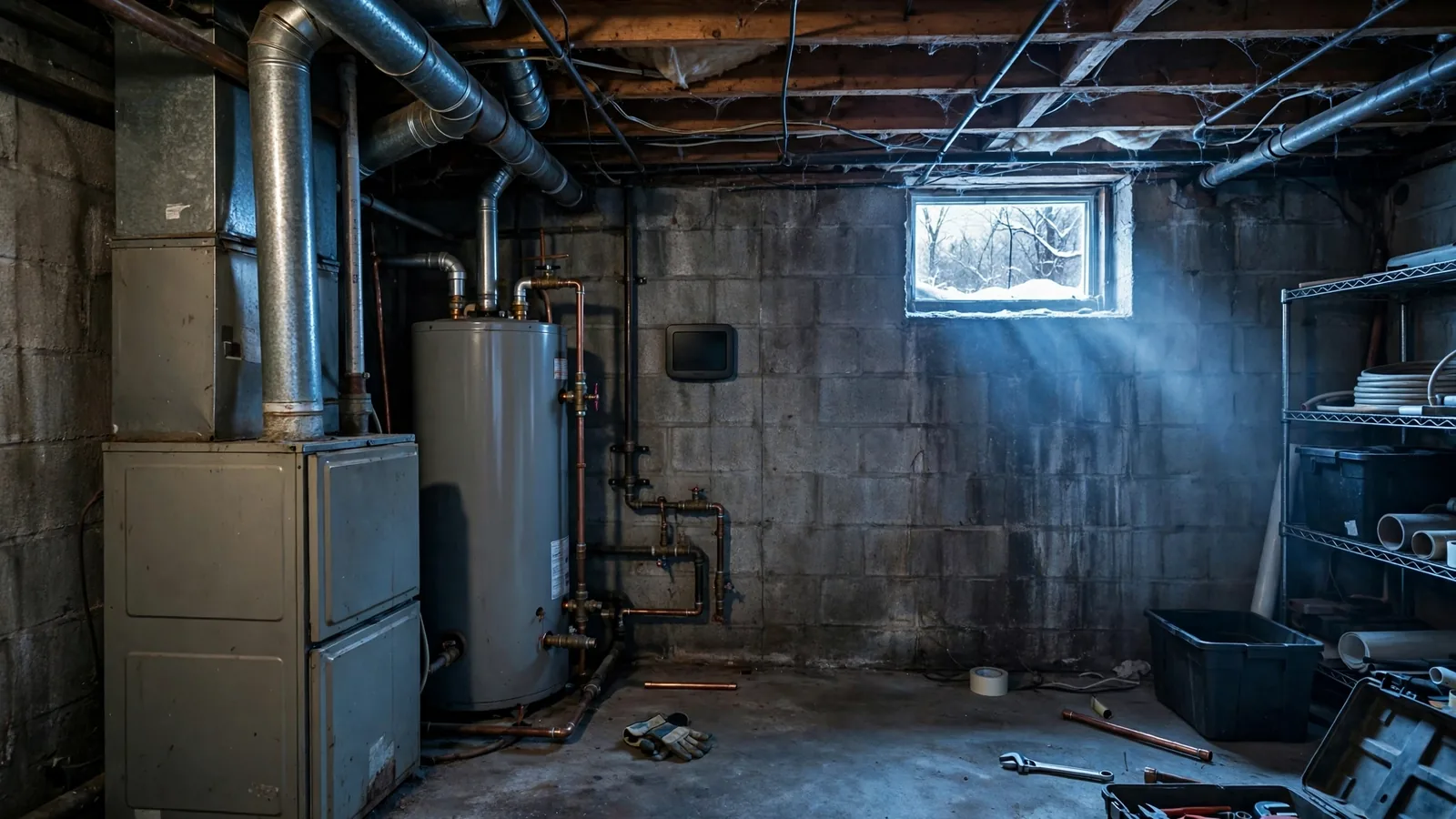
Layton's no-heat calls cluster around the cold snaps and the long inversion stretches, when furnaces that have been limping along finally quit under continuous load. Local patterns your provider knows well: condensing furnaces whose drain lines freeze where they pass through unheated garage or attic corners, shutting the system down on a safety switch; igniters that crack after seasons of long cycles; and older single-stage units in the 1970s–90s neighborhoods that simply reach the end. Basement installations mean most units are accessible without attic or rooftop work — one of the few mercies of a Wasatch Front winter breakdown.
Need no-heat repair in Layton?
One call connects you with a local technician. No forms.
(555) 234-5678📞 Call Now